







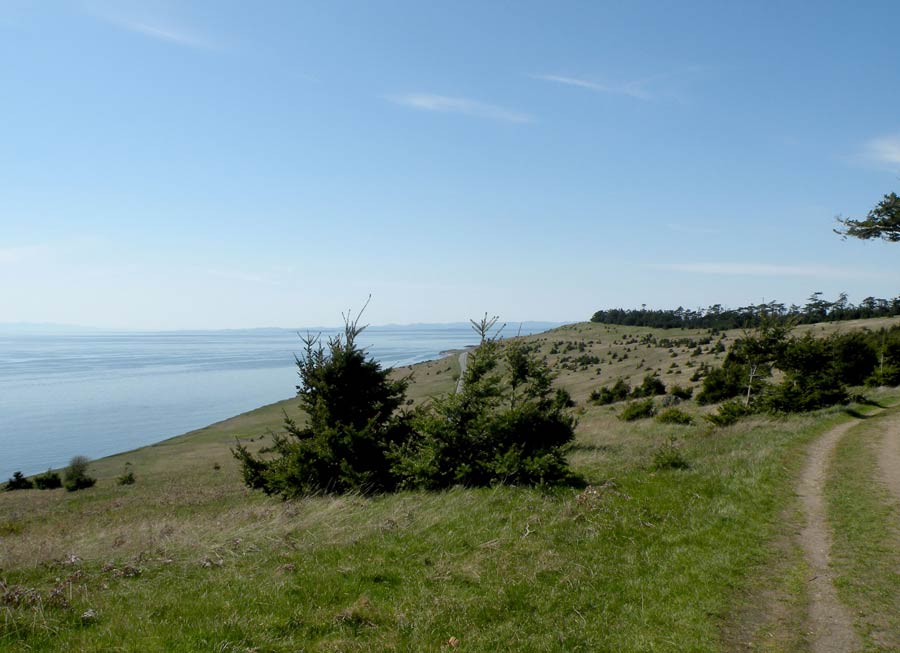
Woody vegetation on Mt. Finlayson – Click to enlarge – Contributed photo
Work is under way at American Camp as the next step in the Cultural Landscape Restoration moves forward. The park will be removing a stand of young Douglas fir that has encroached on Mt. Finlayson and Grandma’s Cove area. There are approximately 300 trees in the stand which will be removed by mechanical methods and chipped on site.
The most significant threat to the integrity of the cultural landscape at American Camp is encroachment of woody vegetation onto prairie land, which is altering the historic relationship between the camp and the natural landscape. The removal of the Douglas fir trees is just one component of the long term Cultural Landscape Restoration Plan. To learn more about the cultural landscape at American Camp, see this link (PDF)
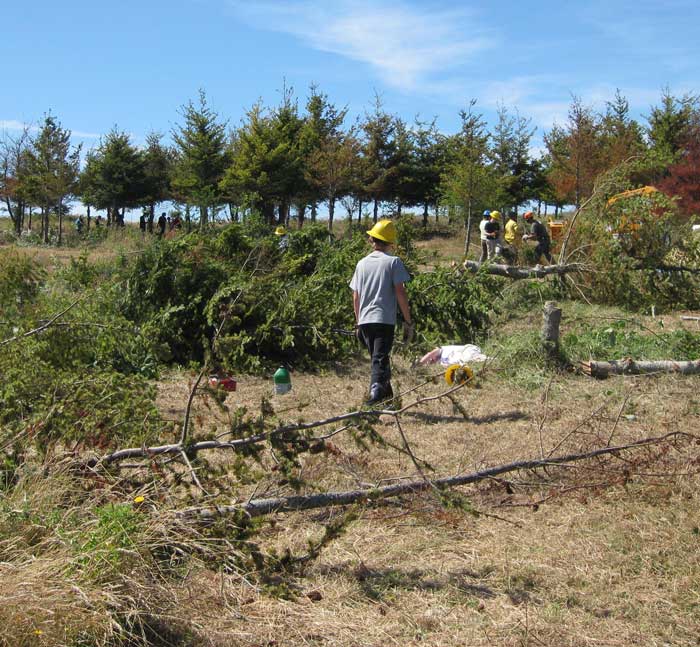
Workers feeding trees to the Chipper – Click to enlarge – Contributed photo
At San Juan Island National Historical Park, small trees and shrubs once confined to hedgerows are beginning to grow in the meadow areas and large rose thickets and Douglas firs are replacing prairie vegetation. In order to retain the open meadow landscape as it appeared during early settlement, it is important to retard colonization by woody vegetation and encourage herbaceous plants. Continue Reading





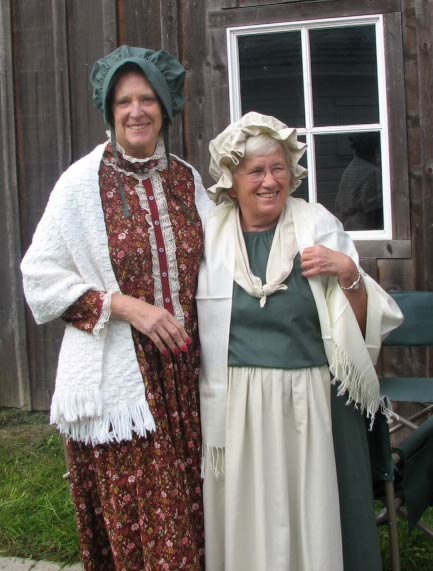
 On most days you can see the bluffs of Whidbey Island from American Camp’s redoubt, but the connections between Whidbey and San Juan run deeper than mere proximity. Learn why from Ebey’s Landing National Historical Reserve interpreter Lynn Hyde during an illustrated talk scheduled at 7 p.m., Friday July 18 in the San Juan island library.
 During its July 14 meeting, the San Juan County Council will discuss placing a property tax measure on the November election ballot. If approved by voters, the issue would continue the County’s property tax at a level that guarantees funding for a number of popular programs. The Council has tentatively scheduled a hearing to take public comment and conduct final deliberations on the ballot proposal on Thursday, July 31.